Reflections on exhibitions celebrating Elsa Schiaparelli and Leonora Carrington, and what they reveal about creativity, reinvention and artistic legacy.
Last week I visited two very different but equally enlightening exhibitions, both centred on remarkable women: Elsa Schiaparelli and Leonora Carrington.
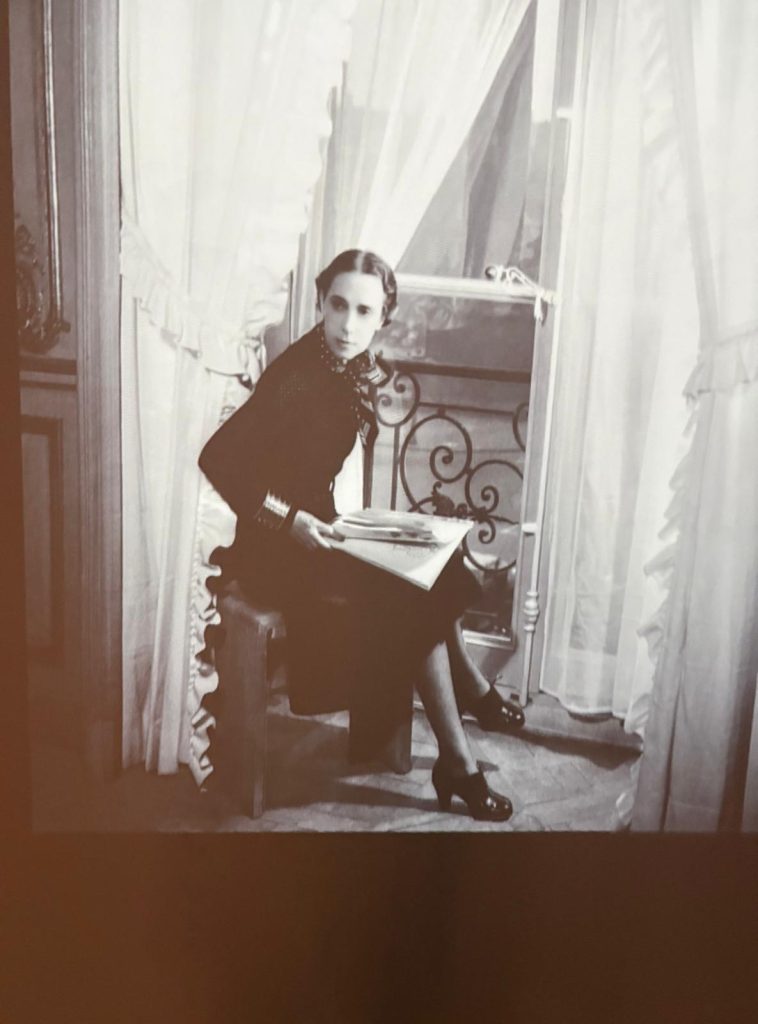
Elsa Schiaparelli (left) was not only an innovative designer but also a visionary entrepreneur who built a distinctive creative world around her work.
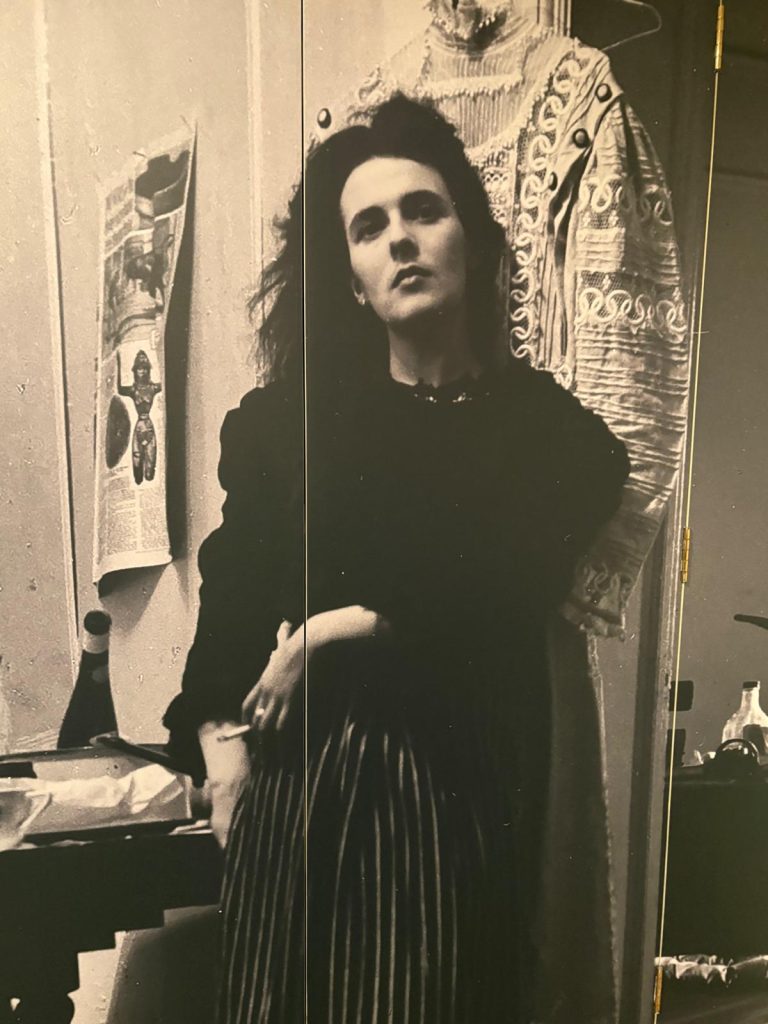
Leonora Carrington (right) in her early years. Her creative vision continues to inspire audiences around the world.
They were contemporaries. Both were groundbreaking in their fields. Both knew Salvador Dalí. Both forged distinctive creative identities and left legacies that continue to resonate today. Nearly a century after much of their work was created, their influence remains profound and, in many ways, continues to grow.
What struck me most was not simply the work itself, but how differently each exhibition invited visitors to engage with creativity, imagination and artistic life.
Creativity rarely stands still. The most enduring work continues to evolve long after its creator has gone.
The art of reinvention
The Schiaparelli exhibition at the Victoria and Albert Museum, which also features work by the contemporary designer Daniel Roseberry, was completely uplifting.
Among the extraordinary dresses, coats, accessories, perfumes and objects on display, it was Schiaparelli’s jackets that particularly captured my attention.
As someone who loves a good jacket, I was spoilt for choice. There were endless variations, stunning embroidery, remarkable buttons and wonderfully inventive tailoring. Every piece seemed to demonstrate how familiar forms can be reinvented through imagination, craftsmanship and confidence.
The exhibition reminded me that creativity is often about returning to a form repeatedly and finding new possibilities within it. Schiaparelli understood this instinctively. The jackets felt both timeless and surprising.
The exhibition also highlighted her talents beyond design. She was a formidable entrepreneur who understood the importance of creating a distinctive identity around her work. Through her boutiques, perfumes and collaborations, she built a world around the Schiaparelli name that extended far beyond the garments themselves.
The jackets felt like a masterclass in reinvention: familiar forms transformed through imagination, craftsmanship and confidence.
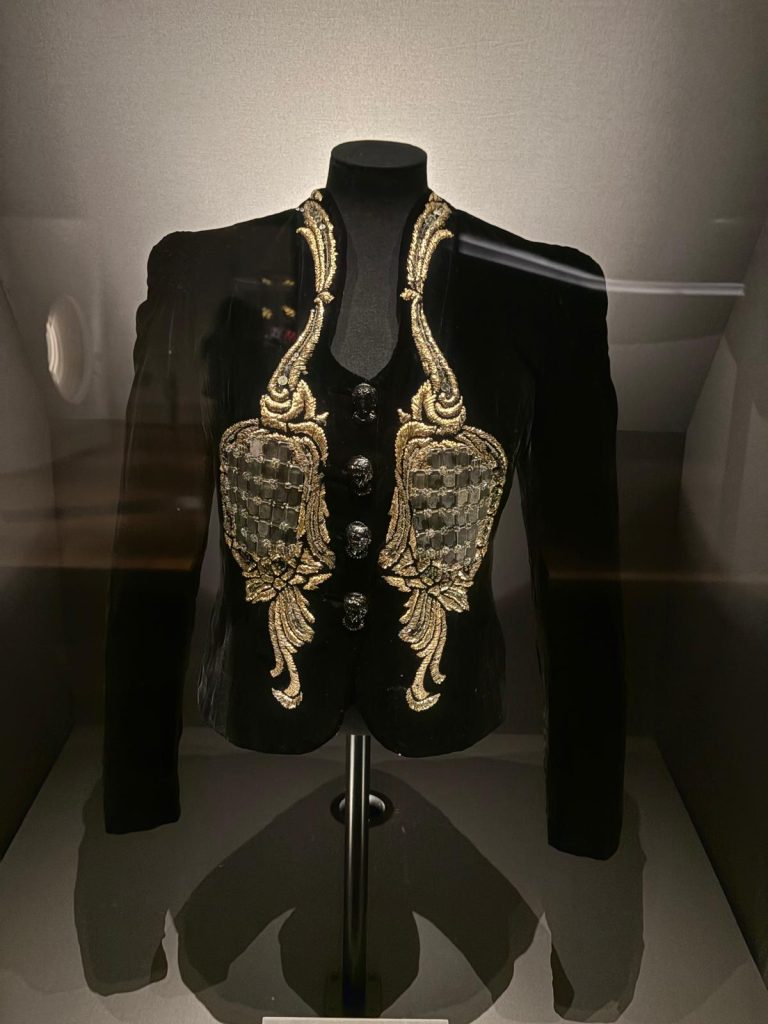
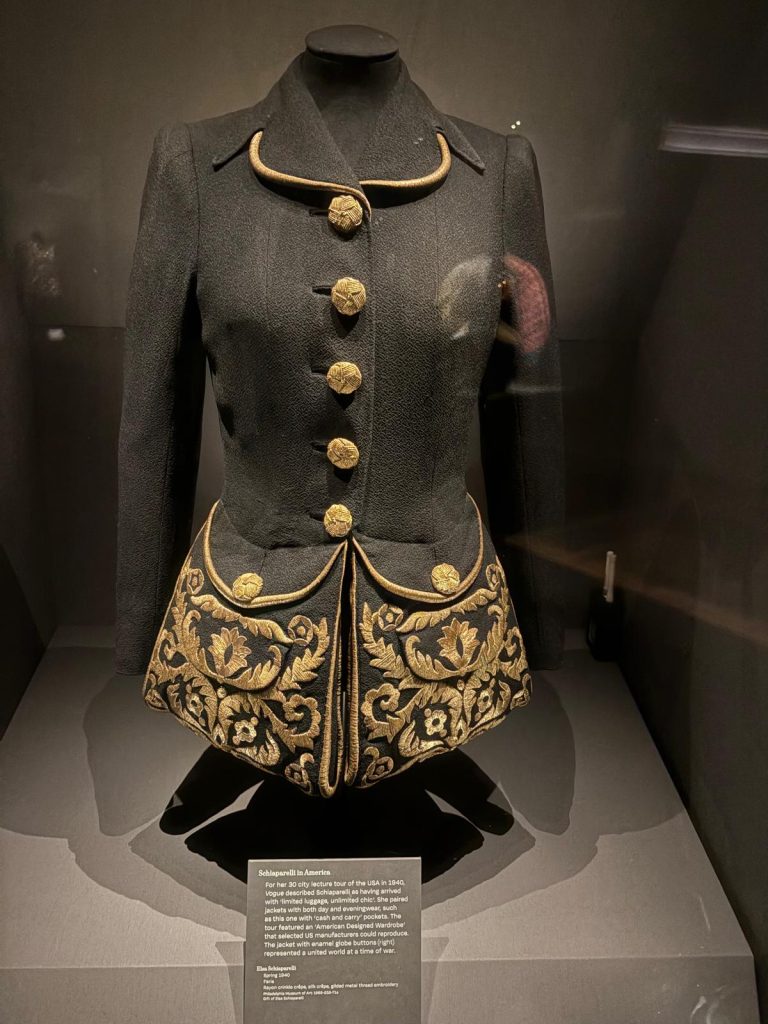
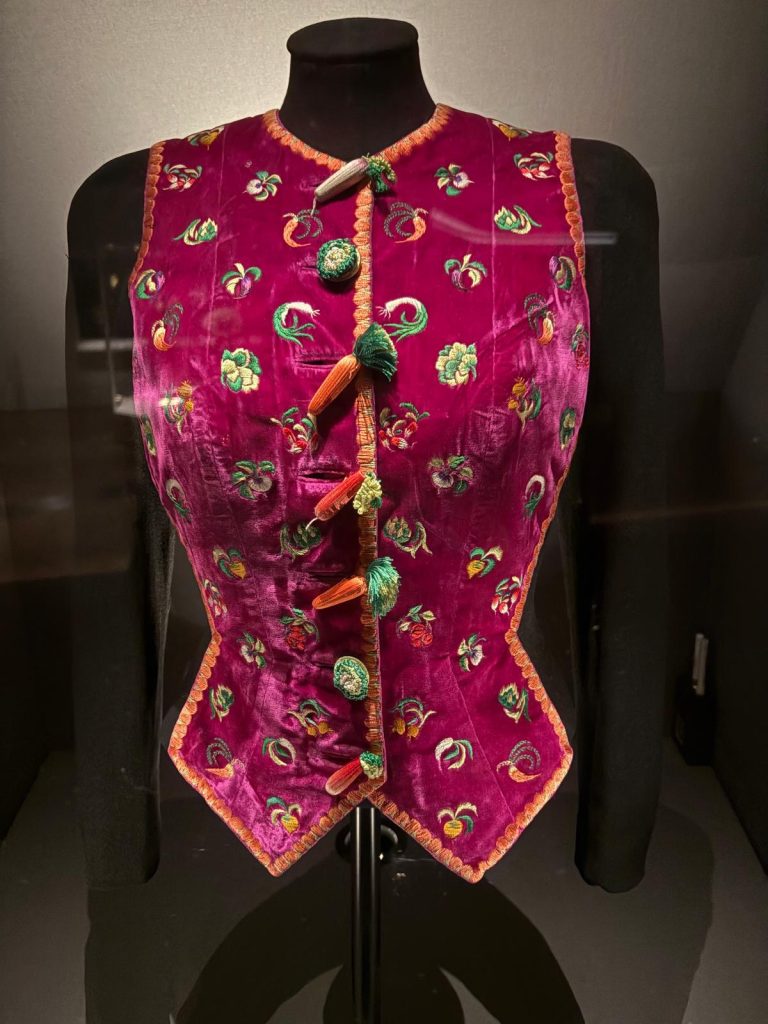
Elsa Schiaparelli’s designs combined extraordinary craftsmanship with a constant spirit of reinvention. This embroidered jacket was one of many pieces that caught my attention during the exhibition.
A different kind of museum
A few days later I visited the Leonora Carrington exhibition at the Freud Museum.
While both exhibitions are presented within museum settings, the atmosphere could not have been more different.
The Victoria and Albert Museum offers scale, spectacle and a celebration of fashion’s relationship with art and culture. The Freud Museum is much smaller and more intimate. Filled with traces of Sigmund Freud’s life and work, it encourages a different pace of looking and thinking.
Both exhibitions were busy, which felt reassuring. At a time when so much cultural activity is experienced through screens, museums continue to attract people seeking direct encounters with objects, ideas and stories.
Yet the context of the Freud Museum inevitably shapes how Carrington’s work is experienced. Psychoanalysis, symbolism and the unconscious seem present in every room.
Sketchbooks, symbolism and imagination
Carrington’s work is deeply personal, imaginative and often unsettling.
Her life was marked by extraordinary creativity but also by periods of profound trauma. Following deeply distressing experiences during the Second World War, she spent time in a psychiatric institution. The exhibition includes sketchbooks and drawings produced during this period alongside later works.
As with Schiaparelli’s jackets, I found myself drawn to the process behind the finished pieces.
I have always loved artists’ sketchbooks. They reveal thinking in motion: fragments, experiments, possibilities and ideas not yet fully formed. It felt a privilege to encounter so many examples of Carrington’s working practice.
The sketchbooks possess an intimacy that contrasts with the larger paintings. They reveal an artist wrestling with symbols, stories and images while constructing her own visual language.
What stayed with me was the beauty of these works, but also their emotional intensity. The rich colours, recurring motifs and dreamlike imagery create a world that is at once enchanting and haunting.
I have always loved artists’ sketchbooks. They reveal creativity in motion, before ideas settle into their final form.
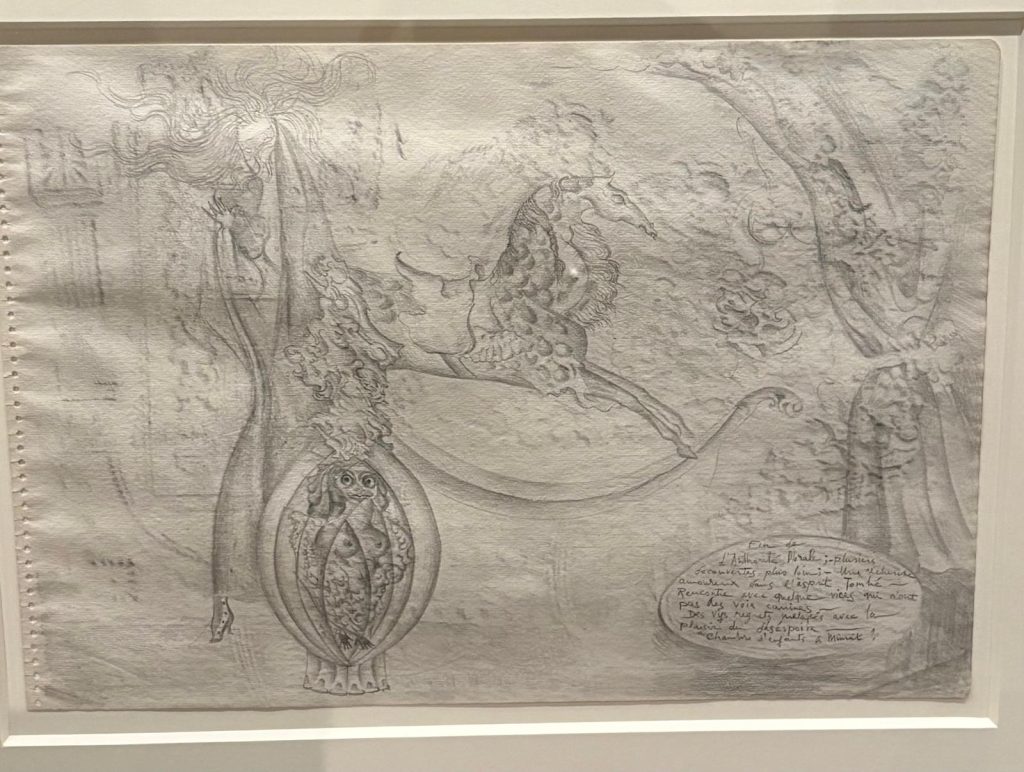
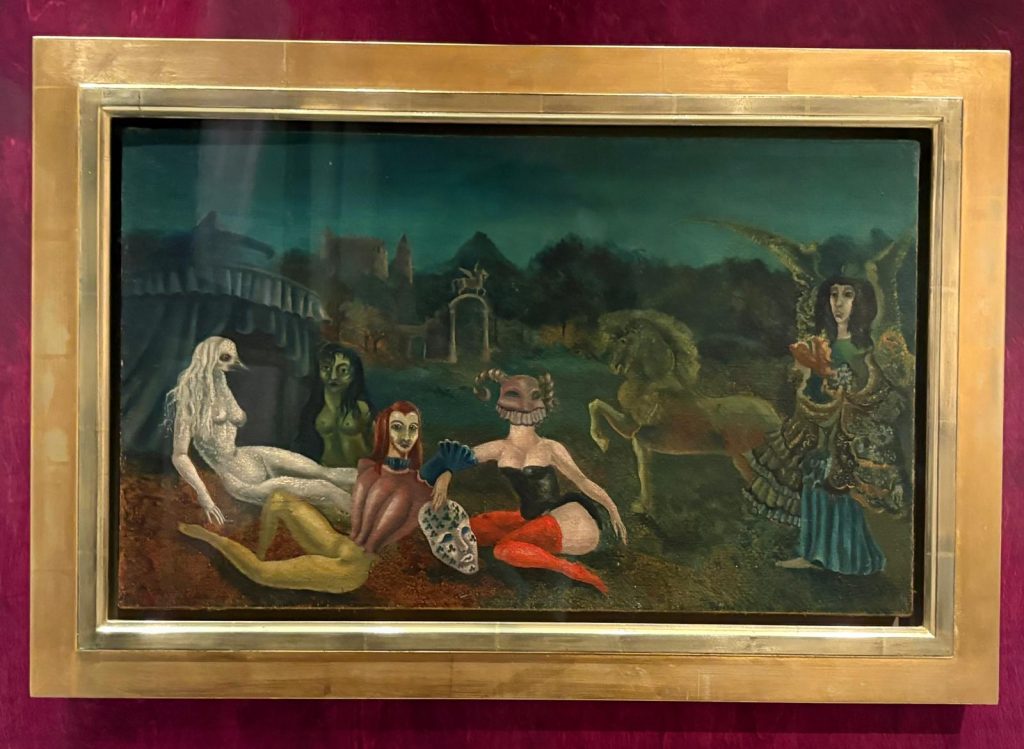
I have always loved artists’ sketchbooks. They reveal ideas in motion and offer a glimpse into the creative process before works reach their final form.
Why museums matter
Although the two exhibitions could hardly be more different, together they offered a reminder of why museums matter.
Some museums celebrate innovation, spectacle and public achievement. Others invite reflection, contemplation and close attention. Both have an important role to play.
They preserve the work of previous generations while helping us discover new meanings within it. They connect us to lives, ideas and creative practices that continue to shape how we think today.
Leaving both exhibitions, I found myself reflecting on the enduring power of creative work. Neither Schiaparelli nor Carrington could have known how future generations would encounter their art. Yet decades later their work continues to inspire curiosity, conversation and admiration.
That, perhaps, is one of creativity’s greatest achievements: the ability to speak across time, finding new audiences and new relevance long after it was first created.